Massage is one of the oldest ways people have looked after their bodies. Long before hospitals and pharmacies existed, people in China, India and Greece used their hands to ease tiredness and pain. Today we book a massage for all sorts of reasons: to loosen a stiff neck after a week at the computer, to …
Massage is one of the oldest ways people have looked after their bodies. Long before hospitals and pharmacies existed, people in China, India and Greece used their hands to ease tiredness and pain. Today we book a massage for all sorts of reasons: to loosen a stiff neck after a week at the computer, to recover after training, to get away from the noise, or simply to do something good for ourselves.
In this guide we explain what massage actually is, where it comes from, how it affects the body and what research says about it. We also cover the basic techniques and the most popular types of massage, walk you through a first visit, and list the situations when it’s better to reschedule.
What is massage? A short definition
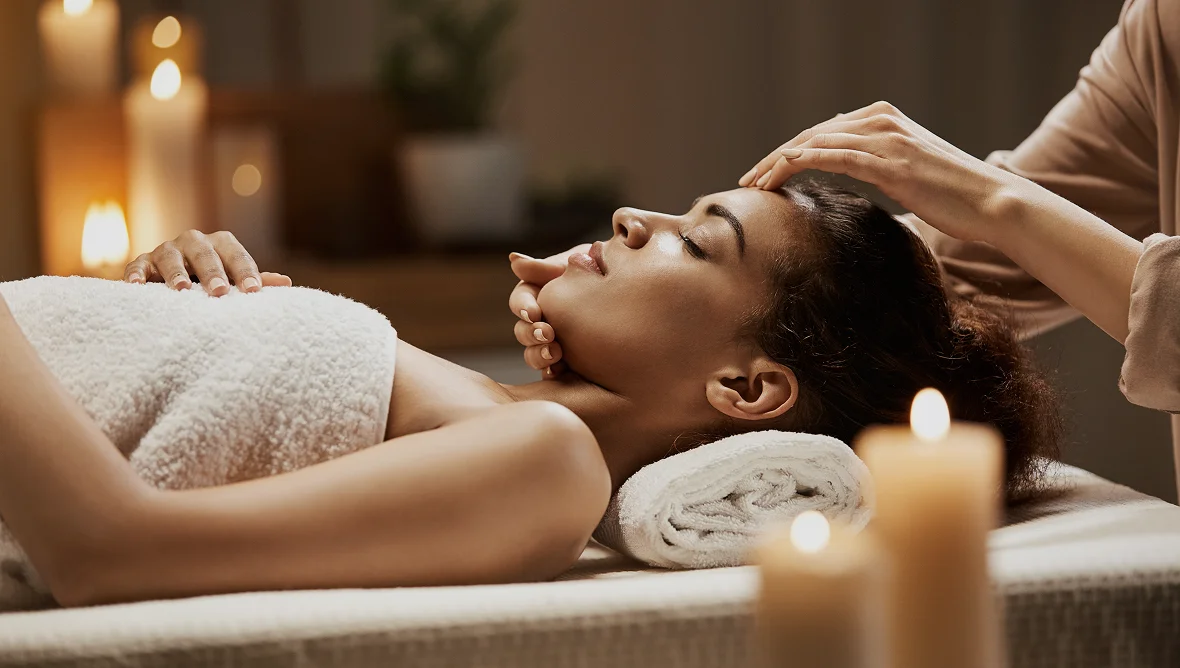
Massage is a treatment in which a therapist uses their hands, and sometimes forearms, elbows or special tools, to work on the skin, muscles, fascia and other soft tissues. It relies on structured movements such as stroking, rubbing, kneading and tapping. The goal might be to loosen tight muscles, speed up recovery, lower stress, or simply to enjoy a moment of rest.
English borrowed the word from French in the 1870s. Where the French word came from is less certain. The usual candidates are Arabic mass (“to touch”), Portuguese amassar (“to knead dough”) and the Greek verb massein, which also means to knead. Each version captures the essence of the treatment: it is work done through touch, rhythm and pressure.
It helps to separate two worlds right away. Therapeutic massage is used when something is wrong: after an injury, for back pain or as part of rehabilitation, usually after talking to a doctor or physiotherapist. Relaxation massage is about unwinding and feeling good. The techniques can be similar, but the goal, pace and atmosphere are completely different. In salons like Cosmos, it’s all about the second one: relaxation, recovery and time just for you.
A short history of massage
The oldest written accounts of massage come from China. The classic medical text Huangdi Neijing mentions it, and Chinese tradition went on to develop anmo and tuina, techniques still practised today. In India, Ayurvedic abhyanga, a full-body massage with warm oil, has been practised for thousands of years and is still part of daily self-care in many homes.
In ancient Greece, massage belonged both to medicine and to athletic training. Hippocrates is credited with saying that a physician must be experienced in many things, but assuredly in rubbing. The Greeks and Romans paired massage with bathing. In Roman baths, a hot soak was followed by oils and a good kneading of the muscles.
Other cultures built their own traditions. Hawaii gave us lomi lomi massage, known for its long, flowing forearm strokes. Thailand has practised nuad thai, traditional Thai massage, for centuries, and in 2019 it was added to UNESCO’s list of the Intangible Cultural Heritage of Humanity. In Japan, the 20th century saw the rise of shiatsu, which uses finger pressure on specific points of the body.
Modern classical massage took shape in 19th-century Europe. It is often called Swedish massage and linked to the Swede Pehr Henrik Ling, who created a system of therapeutic gymnastics. The Dutch physician Johann Mezger, however, had a far bigger influence on the technique itself, treating massage as a method of treatment in its own right. Doctors who trained with him in Amsterdam spread the French names for the strokes, such as effleurage (stroking) and pétrissage (kneading).
There’s a Polish connection too. Izydor Zabłudowski (1850-1906), born in Białystok, first encountered massage during the Russo-Turkish War and later built his career in Berlin. In 1896 he was named professor of massage at the University of Berlin, and he was one of the people who helped massage be taken seriously as a therapy rather than a folk curiosity.
How massage affects the body
Massage works on several levels at once, which is exactly why it’s hard to study the way we study medicines. The easiest way to describe it is in four layers.
Muscles and tissue. Pressure and rubbing warm the tissues, increase local blood flow and help release areas that stay tense for a long time, such as the neck and shoulders of anyone who works at a desk. After a good massage, movement often feels lighter and easier.
The nervous system. Calm, rhythmic touch helps the body switch into rest mode. Breathing slows and deepens, the heart rate settles, and your thoughts stop circling around your to-do list. Plenty of people fall asleep on the table, and that’s completely normal.
How we feel touch. Our skin has specialised nerve fibres called C-tactile fibres. Research shows they respond most strongly to slow stroking at 1 to 10 cm per second, and people rate that kind of touch as the most pleasant. That’s why slow, flowing movements can feel so deeply relaxing even when the pressure is light.
The mind. An hour without your phone, somewhere warm and dimly lit, is a rare thing these days. A massage forces a break we rarely give ourselves and lets you feel your own body again, instead of just using it.
What the research says
There’s a lot of hype around massage, so it pays to stick to the facts. The US NCCIH, which reviews research on complementary health approaches, sums up the evidence roughly like this:
- massage may bring short-term relief for neck and shoulder pain and for chronic lower back pain, although the quality of the evidence is moderate to low,
- in people with fibromyalgia, massage continued for at least five weeks reduced pain, anxiety and low mood,
- the risk of side effects is low, and serious complications are rare, usually linked to very vigorous techniques or to people with existing health problems.
Put simply, massage is not a miracle cure for everything. Done well, though, it helps you relax, eases tension and lifts your mood, and for most people that’s reason enough to come back.
The main benefits of relaxation massage
The reasons people keep coming back for massage tend to fall into a few familiar points.
- Less tension in the body. The neck, shoulders and lower back usually carry the whole week’s stress. After a massage it’s easier to stand up straight and breathe freely.
- A calmer mind. An hour spent focusing on touch works a bit like meditation, except you don’t have to learn how.
- Better sleep. Many people say the night after a massage is unusually restful. That comes from relaxation and quiet, not magic.
- Faster recovery. After training, a long flight or a full day of sightseeing on foot, massage helps your body get back on track.
- Better connection with your body. Day to day, we only notice our bodies when something hurts. Massage lets you feel your body in a pleasant way and notice where tension builds up.
Basic massage techniques
Classical massage is built on a handful of basic techniques, most of which still go by their French names. A good therapist blends them so smoothly that during a treatment you rarely notice where one ends and the next begins.
| Technique | What it involves | What it’s for |
|---|---|---|
| Effleurage (stroking) | Smooth, light strokes with the whole hand | Opens and closes the massage, warms and calms |
| Friction (rubbing) | Small circular movements with firmer pressure | Releases tight spots and improves circulation |
| Pétrissage (kneading) | Lifting and kneading the muscle, a bit like dough | Reaches the deeper muscle layers |
| Tapotement (percussion) | Quick, rhythmic taps with the edge of the hand or fingertips | Energises, more common in sports massage |
| Vibration | Trembling movements passed into the tissue | Loosens and relaxes |
| Shaking | Gentle shaking of a muscle or limb | Relaxes, usually at the end of work on an area |
Relaxation massage relies mostly on stroking and slow kneading. Deep friction and percussion are more likely to turn up at a physiotherapist’s or before a sports competition.
The most popular types of massage
There are dozens of types of massage today, and the names can be confusing. Below is a quick overview of the ones people ask about most. The treatments we offer in our salon are described in detail on our massage types page.
Classical massage
The starting point for most other techniques. The therapist works on the back, neck, legs and arms, combining stroking, rubbing and kneading. Pressure is medium and adjusted to your needs. It’s a good choice for a first visit, because it shows you what kind of touch suits you best.
Relaxation and aromatherapy massage
Slower and gentler than classical massage. Rhythm, warmth and atmosphere are what count here: dim lighting, calm music and softly scented oils such as lavender or sandalwood. The aim isn’t to work on one particular muscle but to relax the whole body deeply.
Sports and therapeutic massage
More intense, with firmer pressure and more rubbing. It’s done before competitions, after training or for specific complaints. If something has been hurting for a while or you’ve had an injury, start with a physiotherapist.
Thai, shiatsu and lomi lomi
Three traditions from three corners of the world. Thai massage is done fully clothed on a mat and includes stretching. Shiatsu is based on pressure applied to specific points. Lomi lomi uses long, flowing forearm strokes that feel like waves. Each of them is more of a ritual than an ordinary treatment.
Hot stone massage
The therapist places smooth, heated basalt stones on the body and also uses them for the massage itself. The warmth helps muscles relax faster, which is why this treatment works especially well in autumn and winter, when the body is cold and tense.
Sensual massage and tantra-inspired rituals
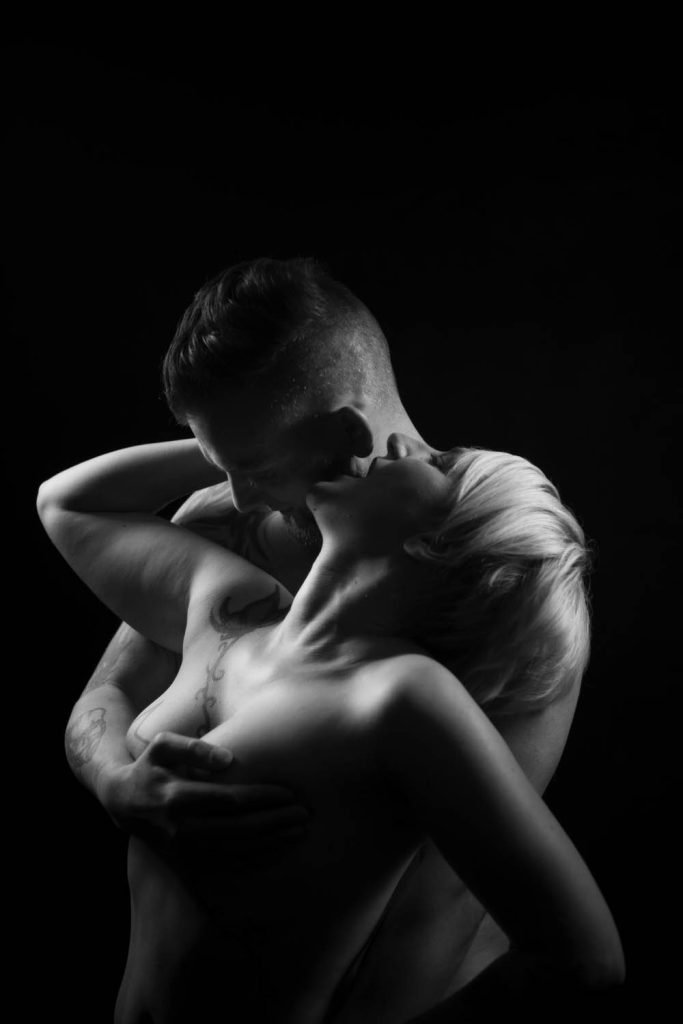
A calm, mindful treatment where slow touch, breathing and atmosphere matter most. This is where the C-tactile fibres mentioned above really come into play. You can read more about what sensual massage looks like in practice on our blog. It sits close to tantra-inspired rituals, which combine massage with elements of meditation and mindful breathing.
Couples massage
A shared treatment for two people, usually in the same room. A couples massage is a way to relax together and makes a great gift, an anniversary treat or simply a free afternoon for two.
| Type | Pace and pressure | Best for |
|---|---|---|
| Classical | Medium pace, medium pressure | First-timers, a tight neck and back |
| Relaxation | Slow pace, light pressure | Stress and fatigue |
| Sports | Faster pace, firm pressure | Active people, after training |
| Thai | Varied pace, stretching | People who enjoy movement and stretching |
| Hot stone | Slow pace, warmth | Anyone cold and tense |
| Sensual and tantric | Very slow pace, light touch | Those looking for deep calm |
| Couples | Depends on the technique chosen | Two people together |
Oils, gels and atmosphere: what massage is done with
Most massages are done with oil, which lets the hands glide smoothly over the skin. The most common choices are sweet almond, jojoba, grapeseed and coconut oil. If you have an allergy, to nuts for example, mention it before the treatment, because almond oil is one of the most widely used. In aromatherapy a few drops of essential oil are added to the base oil: lavender calms, citrus lifts your energy, and eucalyptus feels fresh.
Some treatments use a gel instead of oil. The best known is nuru gel, made from nori seaweed. It is odourless, very slippery and slow to dry, which is why it’s used in Japanese nuru massage.
The setting matters as much as the oil. A warm room, clean towels, soft lighting and quiet music all help the body relax faster. In a cold, noisy room, even the best technique works less well.
What happens at your first massage
A first visit usually raises the most questions, but in practice it’s all simpler than it seems.
Booking. When you book, you can say straight away what you’re looking for and whether you prefer gentle or firmer pressure. A massage usually lasts 60, 90 or 120 minutes. You’ll find current prices for each treatment on our homepage.
Arriving. It’s best to arrive 10 minutes early so you can change and shower without rushing. If you arrive in a hurry, the first few minutes of the massage go on getting your breathing back to normal.
A short chat. Your therapist will ask what you’re hoping for, what pressure you like and which areas to avoid. This is also the moment to mention any injuries, allergies or health issues. If you’d like to see who will be looking after you, have a look at our team.
The treatment. You lie on the table under a towel, and only the area being worked on is uncovered. At any point you can say the pressure is too strong, that you’re cold, or that you’d like more focus on your neck. A good massage is a conversation, even if hardly a word is spoken.
Afterwards. Get up slowly, because deep relaxation can leave you a little light-headed. Drink a glass of water and don’t plan a hard workout for that evening. Ideally, let your body stay in that relaxed state for a while longer.
A massage doesn’t always have to happen in a salon. Business travellers who have no energy left to go out after a day of meetings often choose a hotel massage.
When to reschedule your massage
Massage is safe for most healthy people, but there are times when it’s better to postpone it or to talk to a doctor first.
- Fever, a cold or an infection. Your body needs rest, and a massage would only add to the load.
- A fresh injury, inflammation or swelling. A sprain, a pulled muscle or a bruise needs to heal first.
- Skin problems. Wounds, burns (sunburn included), rashes and skin infections are areas that shouldn’t be massaged.
- Thrombosis and severe varicose veins. If thrombosis is suspected, massage is ruled out, and with varicose veins the therapist avoids those areas.
- Pregnancy, heart conditions, uncontrolled blood pressure. Make this decision together with your doctor, and during pregnancy choose only treatments designed for expectant mothers.
- Recovery after surgery or cancer treatment. Massage may be possible, but only after talking to the doctor in charge of your care.
- Alcohol and a heavy meal. After alcohol, massage puts more strain on the body, and on a full stomach it’s hard to lie comfortably. Ideally, eat something light an hour or two before your visit.
If you take blood thinners or have a chronic condition, ask your doctor about massage before your first visit. It’s a few minutes of conversation that makes sure the treatment does you good.
How often should you get a massage?
There’s no single rule that fits everyone. A lot depends on what you expect and how intense your life is.
If massage is your way of relaxing regularly, most people book a visit every two, three or four weeks. That rhythm keeps the effect going and stops tension from building up for months. In a very demanding period, such as a big project at work or training for a competition, weekly visits work well.
A massage can also be a one-off gift for yourself or someone close to you. Even a single visit helps you slow down, and it often shows how much your body needed it. Your body’s signals are the best guide. If your neck is stiffening up again and your sleep is getting lighter, it’s time for another visit.
How to choose the right massage for you
The easiest place to start is with the question of what you need today.
- Just want to unwind? Go for a relaxation or aromatherapy massage.
- Neck aching after a week at your desk? A classical massage with medium pressure on the back and shoulders.
- Just finished a workout or a long run? A sports massage will help your muscles recover.
- Looking for deep calm and mindfulness? Try a sensual massage or a tantra-inspired ritual.
- Want to spend time with your partner? A couples massage is a great choice for an afternoon together.
- Not sure where to start? Say so when you book. An experienced therapist will match the treatment to your needs.
Frequently asked questions
What is massage, in one sentence?
Massage is a treatment that uses the hands and structured movements such as stroking, rubbing and kneading to work on the skin and muscles, in order to loosen them, ease tension and improve how you feel.
Does massage hurt?
A relaxation massage shouldn’t hurt. If your muscles are very tight you may feel some mild discomfort, but you can always ask for lighter pressure. Pain is a signal to ease off, not something to grit your teeth through.
How long does a massage last?
Most often 60 minutes. Longer treatments of 90 or 120 minutes allow more thorough work on the whole body and a longer stay in that relaxed state.
How should I prepare for a massage?
Eat something light an hour or two before, skip the alcohol, arrive a few minutes early and take a shower. It also helps to think beforehand about what you want from the session and tell your therapist.
Do I have to undress for a massage?
That depends on the type of massage and on what you’re comfortable with. For an oil massage, your body is covered with a towel and only the area being worked on is uncovered. Thai massage is done in loose clothing.
Can I get a massage after drinking alcohol or right after eating?
Better not. After alcohol, massage puts more strain on the body, and on a full stomach it’s hard to relax, especially lying face down.
How often can I get a massage?
Healthy people can enjoy a relaxation massage as often as once a week. For most people, one visit every two to four weeks is a good rhythm.
What’s the difference between relaxation and therapeutic massage?
Therapeutic massage is meant to help with a specific problem and is often part of rehabilitation. Relaxation massage is about unwinding, reducing stress and feeling better. The techniques can be similar, but the goal, pace and pressure are different.
Massage is a simple thing
Touch, time and calm. That’s all it takes for your body and mind to get a break from the daily rush. If you’d like to find out how massage works for you, come and see us at our salon on Marszałkowska 140, right in the centre of Warsaw. The easiest way to book is by phone or through our contact form, and you can read more about each treatment on our blog.

Cosmos Massage Editorial Team
Active in the heart of Warsaw since late 2023, the editorial team at Cosmos Massage is dedicated to reshaping the dialogue around adult wellness and conscious touch. Our collective foundation spans therapeutic bodywork, tantric philosophy, and modern spa management—a foundation we continuously enrich with a deep passion for learning.
For our team, massage, therapy, and rejuvenation through touch are not just a profession but a journey of discovery. We are avid readers of the latest wellness publications, and we love blending that academic insight with our hands-on, personal experience in the studio to create content that truly resonates.
Our mission is to provide a safe, discreet, and educational sanctuary for men and couples in Warsaw, removing the stigma surrounding professional sensual experiences. This blog is our commitment to transparency and heightened bodily awareness.
Book a Visit
Write to us from website chat, WhatsApp or from here to book your visit!